
What can folks who study the social implications of scores and scoring systems learn from game design? A lot, it turns out.
Last weekend, current and former members of the clinic reunited in Ithaca, NY to learn how to translate our research about scores and scoring systems into actual (board) games for education, outreach, and inquiry.

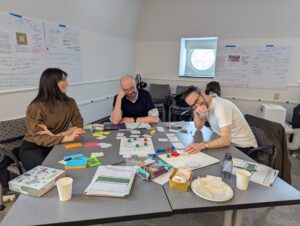
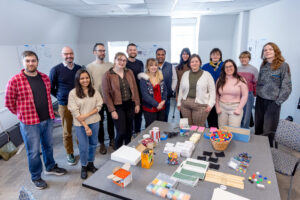
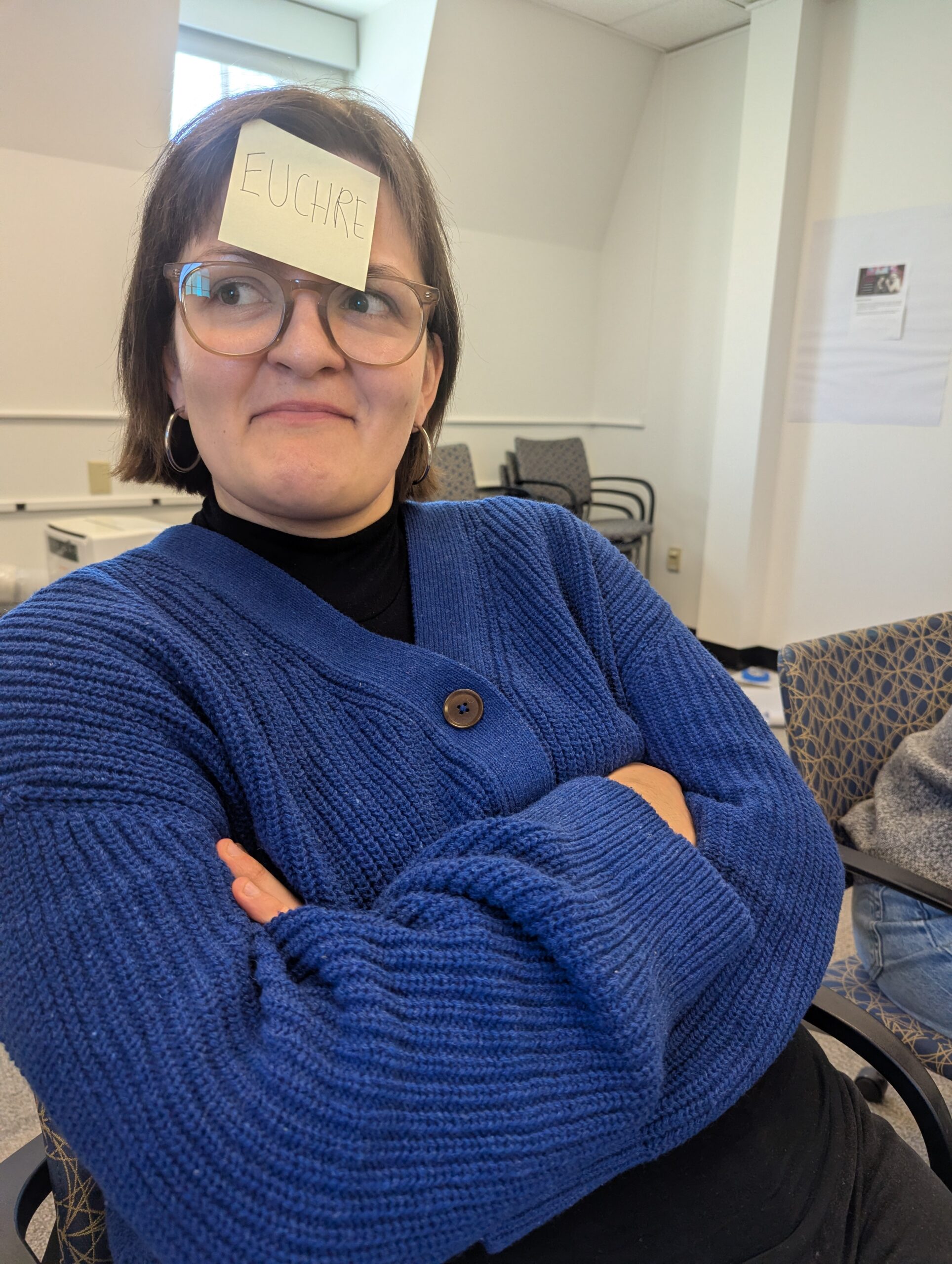
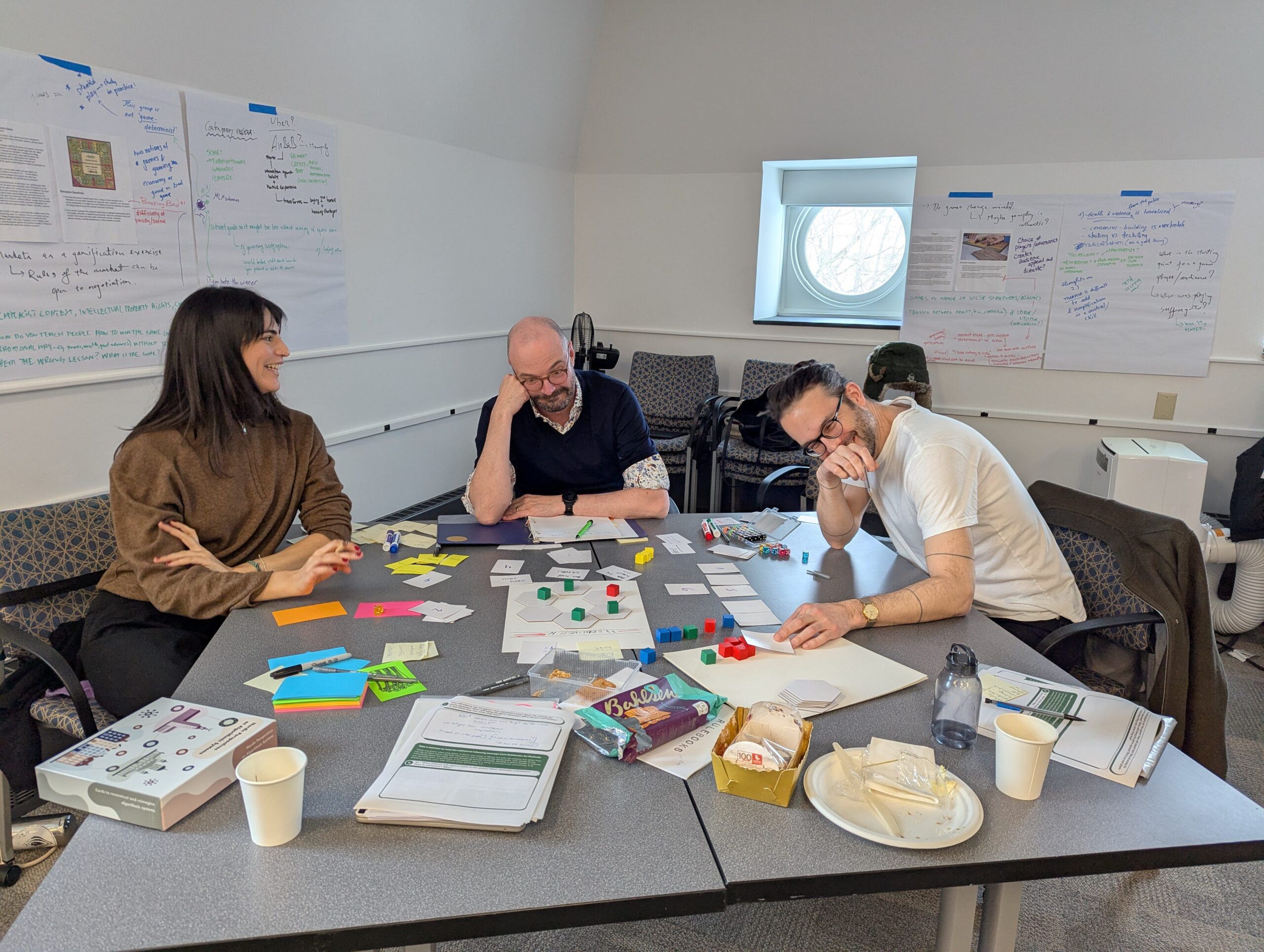
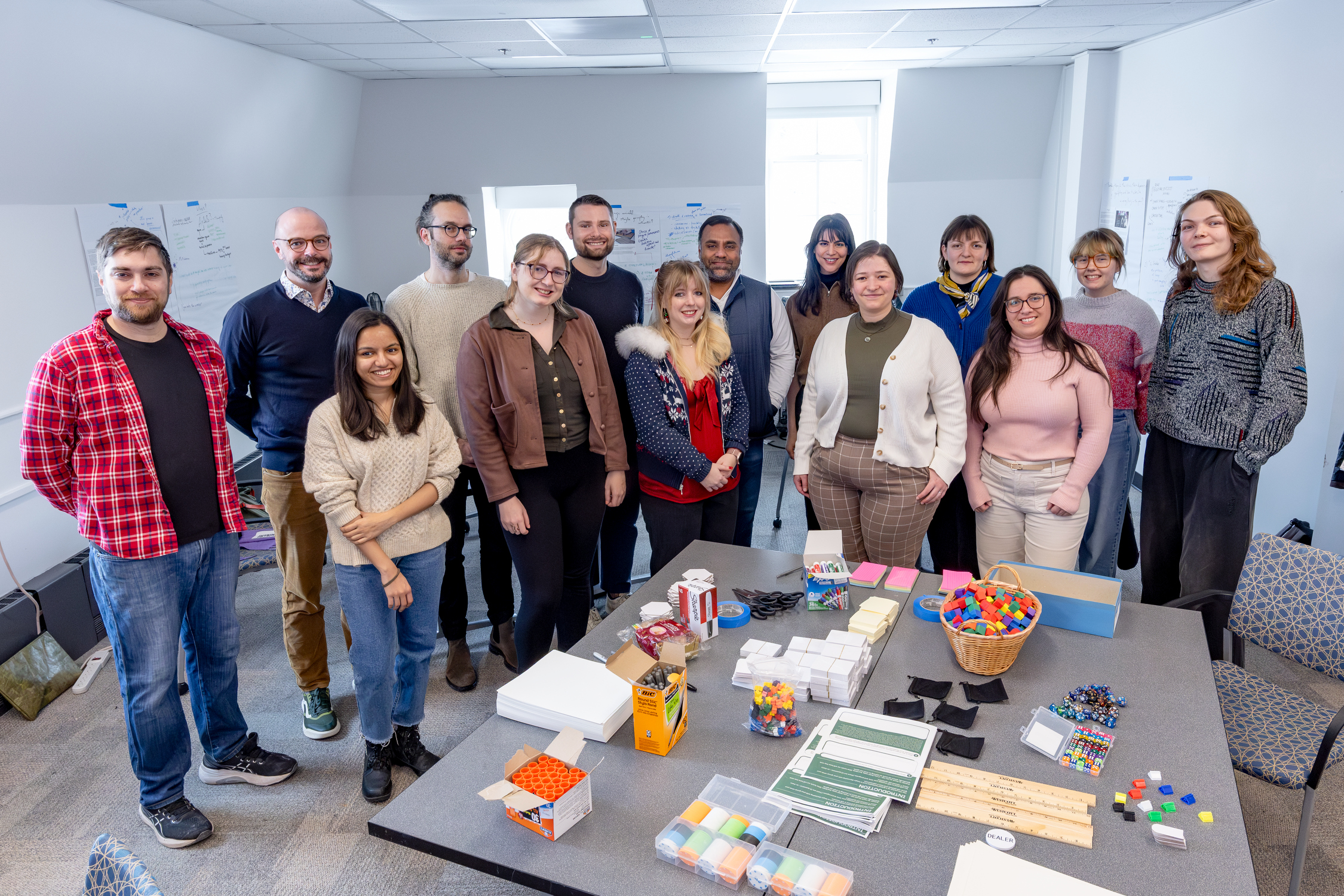
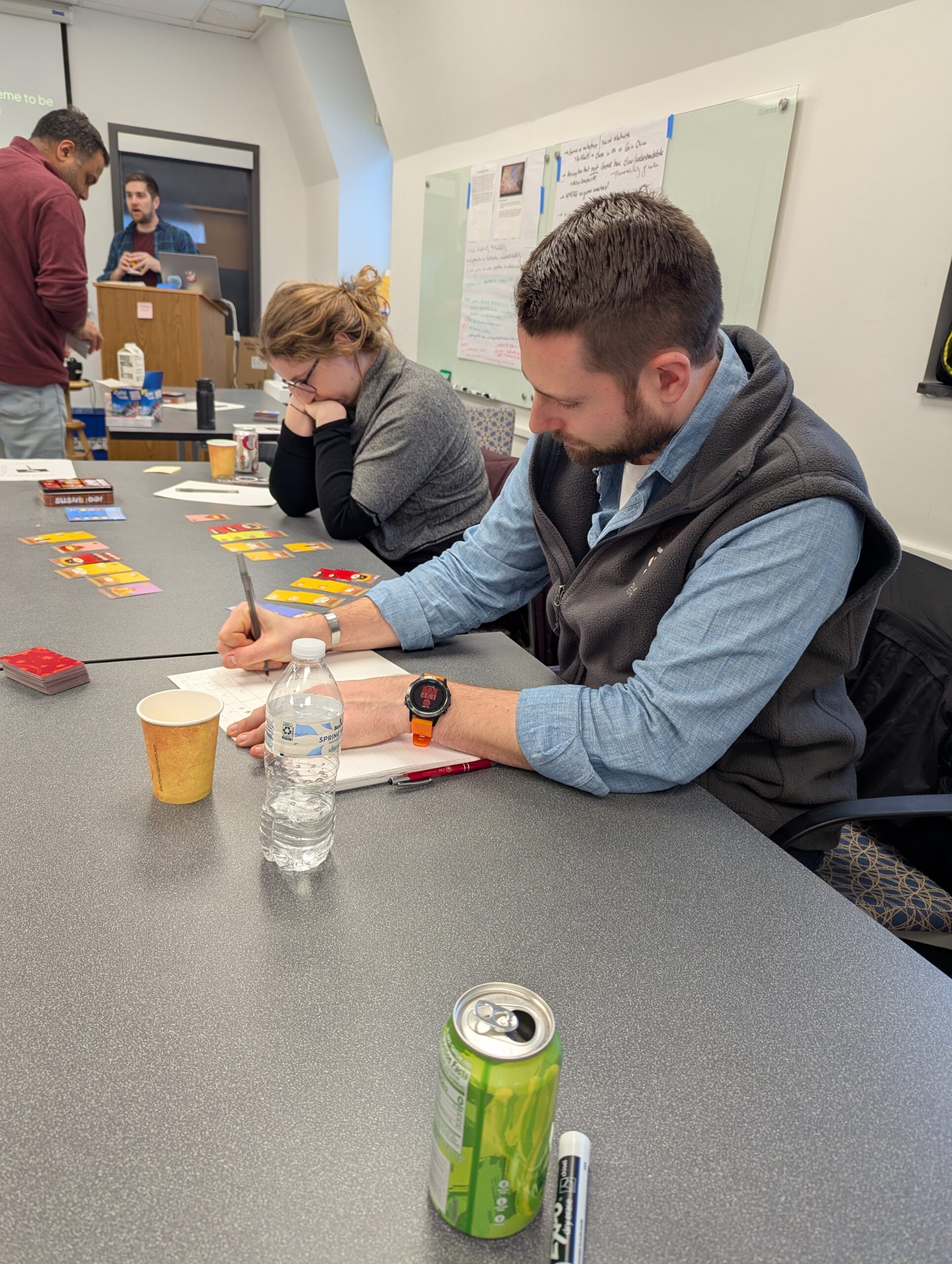
The idea of games and gaming has come up a lot in our work on automated judgments at the Digital Due Process Clinic—albeit mostly in the form of games that folks are forced to play, do not enjoy, and almost always lose. Credit scoring, AI hiring, and automated risk assessments all look like games to some extent, but lack the insight, community, and freedom we associate with Skip-Bo, Wingspan, and Pandemic.
Among other things, we learned to:
- critically assess the complicated history of games for social change (did you know that Monopoly was originally designed to teach children about land inequality as “The Landlord’s Game”?);
- analyze and hack existing games for insight and inquiry;
- wield some shiny new tools for parsing audiences, goals, and game mechanics; and
- experience the hard work of playing with ideas to build, design, and iterate an early prototype.
Stay tuned for monster doctors dealing with prescription scores, rabbits pitching to insurance agents, influencers trying to survive a TikTok meltdown, or maybe something altogether different.
Thank you to the all the clinic members and alumnae for their contributions; to our fearless instructor Brian Van Slyke of the wonderful TESA Collective; to the NSF for funding support; and to Claire Pfeiffer at the S&TS department for organizational wizardry.